

In the ever-changing world of Twitch streaming, producing and showcasing memorable moments is just as important as engaging with your viewers live. Many content creators spend considerable time into creating their broadcasts, and it’s crucial to have a plan to capture those ephemeral memories. Whether you are a recreational streamer or a professional seeking to improve your channel’s content, knowing how to capture, download, and archive your broadcasts, VODs, clips, and best moments can significantly impact your stream's growth and interaction.
Here, we will discuss different methods and tools to make sure your Twitch content is accessible long after the real-time streaming is over. From the most effective recording methods on both Mac and Windows to efficient archiving strategies and legal considerations, we will arm you with the knowledge to safely capture all your Twitch moments. You'll also discover how to save clips, capture VODs, and organize your content smoothly, all while ensuring high audio and video quality. Come along as we explore the essentials of Twitch streaming content preservation. Capturing Twitch.tv Streams
Capturing your Twitch.tv streams is essential for preserving your content and creating lasting remembrances of your video game or creative endeavors. Whether you're a casual streamer or a professional content creator, having a dependable method to capture your live broadcasts is important. Streamers can use various tools to record their broadcasts, including dedicated software and built-in options available on various platforms. For those new to streaming, familiarizing yourself with these recording techniques can significantly improve your material management.
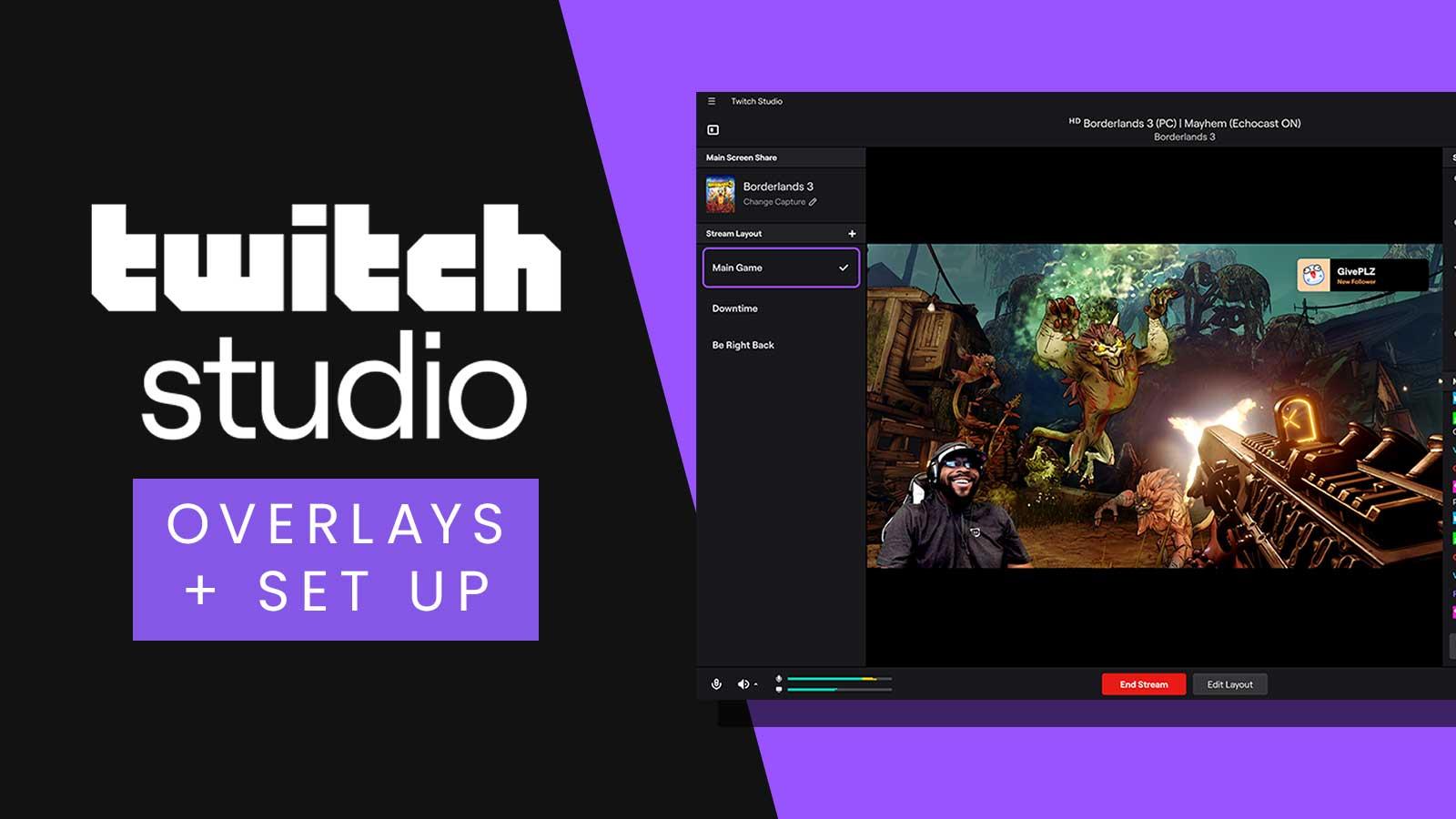
For PC users, Open Broadcaster Software is a well-known choice that offers a simple interface and high-quality video recording capabilities. It allows for personalized settings, enabling you to adjust the resolution and bitrate according to your needs. On Apple, you can also use OBS or explore alternatives like Streamlabs Desktop, which offers comparable features and an easy-to-use setup process. Regardless of the platform you choose, ensure you're familiar with the settings to obtain the best audio and video standard for your recordings.
Additionally, if you're looking for a more automated approach, there are tools available that can capture your broadcasts in the background without human input. These include online solutions that automatically record your broadcasts and store them for future retrieval. This is especially useful for streamers who want to focus on their material without worrying about the technical aspects of capturing. Trying out with different recording tools will help you discover the best fit for your streaming style and workflow.
Retrieving and Preserving VODs
To download and archive Twitch VODs, you first need to check if you have the required permissions. If you are the broadcaster, you can easily access your VODs through the Twitch dashboard. Navigate to the Media Manager section, where you'll find all your past streams. From there, you can select a VOD and use the “Download” option to transfer it directly to your system. However, if you're capturing content from other streamers, ensure to acknowledge their rights and request permission if needed.
For viewers looking to save their preferred streamers' VODs, there are several third-party tools and browser extensions available. These applications can facilitate the downloading process by capturing the stream URL and transforming it into a download-ready format. When selecting a tool, make sure it allows for high-quality downloads and adapts to your desired video format, whether it's MP4, MKV, or another type. This ensures you maintain the visual and audio integrity of the original content.
Once you have downloaded the VODs, organization becomes crucial. Create a specific folder structure on your device to distinguish different streamers, categories, or games. Consider implementing a labeling convention that allows to identify each video at a glance. Additionally, for long-term preservation, use cloud storage solutions, which can secure your VODs against potential hardware failures. This way, you will not only retain important Twitch moments but also have quick access to your saved content.
Archiving and Managing Video Clips
Handling your Twitch clips successfully is essential for preserving your noteworthy moments and making sure simple access for future use. Once you have stored your clips, categorize them based on topics, games, or particular events to enhance your archiving process. Utilizing directories on your storage device can aid keep order, making it easier to find certain clips when needed. Think about using a uniform naming system that includes the timestamp and a brief description to expedite quick searches.
To ensure that your clips continue high in caliber, be aware of the file format and compression settings you choose when saving. Aim for a equilibrium between data size and visual/audio quality, as this will influence how well you can store and overall watching experience. Regularly review and remove any outdated clips to free up space, making room for additional content. Maintaining Record Twitch streams instantly free will not only make finding hassle-free but also inspire innovative editing and use in upcoming projects.
As you establish your collection of clips, think about long-term storage strategies. Cloud services offer an superior answer for protecting your clips against information loss, alongside physical backups on hard drives. Consistently save your content to make sure it stays accessible and protected. This strategy allows you to focus on content creation while being confident your valuable Twitch moments are well-maintained and safe for the foreseeable future to come.
Best Practices for Excellent Recording
Ensuring quality recordings of your Twitch streams needs attention to several important factors. Firstly, invest in a trustworthy video capture software that fits your operating system. Whether you are capturing on macOS or PC, there are many choices available that support high-resolution recording. Look for programs that allows to adjust settings such as video resolution and bitrate, as these are vital for maintaining a clear and high-quality video. A typical suggestion is to use a resolution of at least Full HD and an appropriate bitrate based on your connection speed and computer specifications.
Moreover key element is to enhance your audio configuration. Clear audio is just as important as visuals, so consider using an external microphone instead of your computer's integrated microphone. Ensure that your sound levels are balanced to avoid distortion, and check the configuration before going broadcasting or capturing. In addition, consider using supportive audio or audio effects to elevate the viewer's experience, but be mindful of intellectual property and fair use when including copyrighted material.
Finally, set up a dependable system for structuring and keeping your recorded files. Use a structured folder system that sorts your broadcasts, clips, and best parts for quick retrieval in the future. Consider online storage options for backup purposes to avoid forfeiting valuable material. Streamlining parts of the recording and storage process, when possible, can also help streamline your process. With these tips, you can successfully preserve your Twitch memories with superior quality and ease.
Legal Considerations and Permissible Use
When involved in capturing and archiving Twitch content, it is imperative to follow the platform's TOS and copyright laws. Twitch streamers typically retain the rights to their primary content, but by streaming on the platform, they give Twitch a license to share and show that material. Understanding these rights and licenses is essential to avoid potential infractions that could lead to content deletion or account termination.
Permissible use is a legal doctrine that allows restricted use of copyrighted material without permission. However, its application can be complicated, as it depends on various variables such as the intent of use, the character of the copyrighted work, the amount used, and its effect on the market value. Streamers who want to capture or discuss gameplay must be cautious and evaluate how their use of Twitch content might qualify under fair use to protect themselves from copyright claims.
Additionally, it is recommended to keep updated about copyright policies specific to gaming content and streaming. Making sure that any recorded components, including songs, overlays, and other media, are either original or properly licensed will further safeguard your recordings. Following recommended guidelines not only protects content quality but also supports the continued expansion and viability of the streaming ecosystem.